Wet Basement Repair in Grimsby
Leaking basement repair in Grimsby for seepage after rain, damp walls, wall-floor joint leaks, musty odour and recurring basement moisture.
Leaking Basement Repair for Grimsby Homeowners
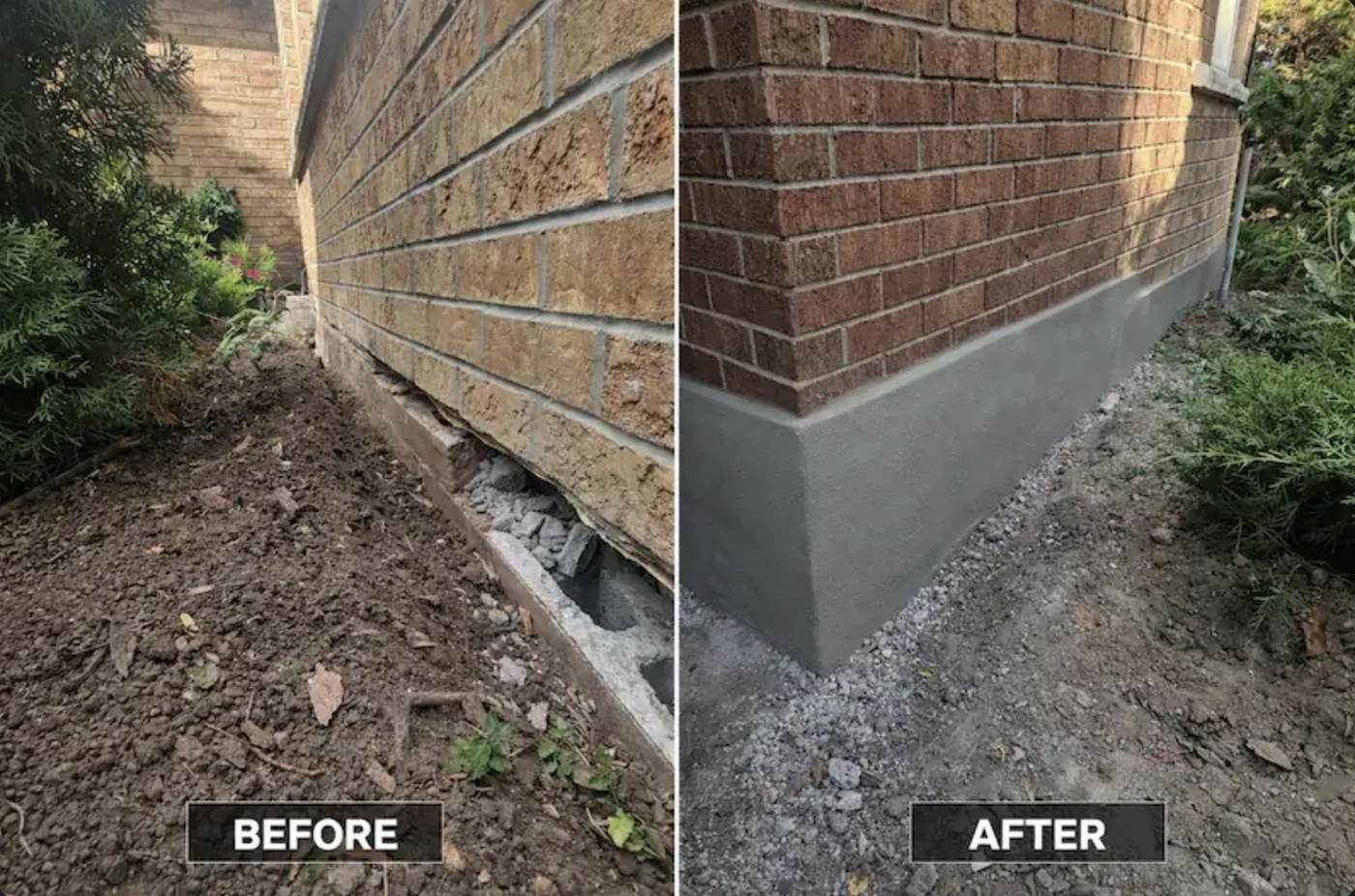
A wet basement in Grimsby rarely fixes itself. Common entry points include foundation cracks, the wall-to-floor joint, window wells, form-tie holes, and groundwater pushing up through the slab. Heavy rainfall, poor grading, clogged drainage and freeze-thaw movement all make it worse. We diagnose the actual symptom pattern — where the water shows up, when it shows up, and what the drainage and sump setup looks like — then recommend the right leaking basement repair: crack repair, interior drainage, exterior waterproofing, sump pump work, or a combination.
Signs You Need Wet Basement Repair
- Water appearing after heavy rain
- Damp or wet basement walls
- Water at the wall-to-floor joint
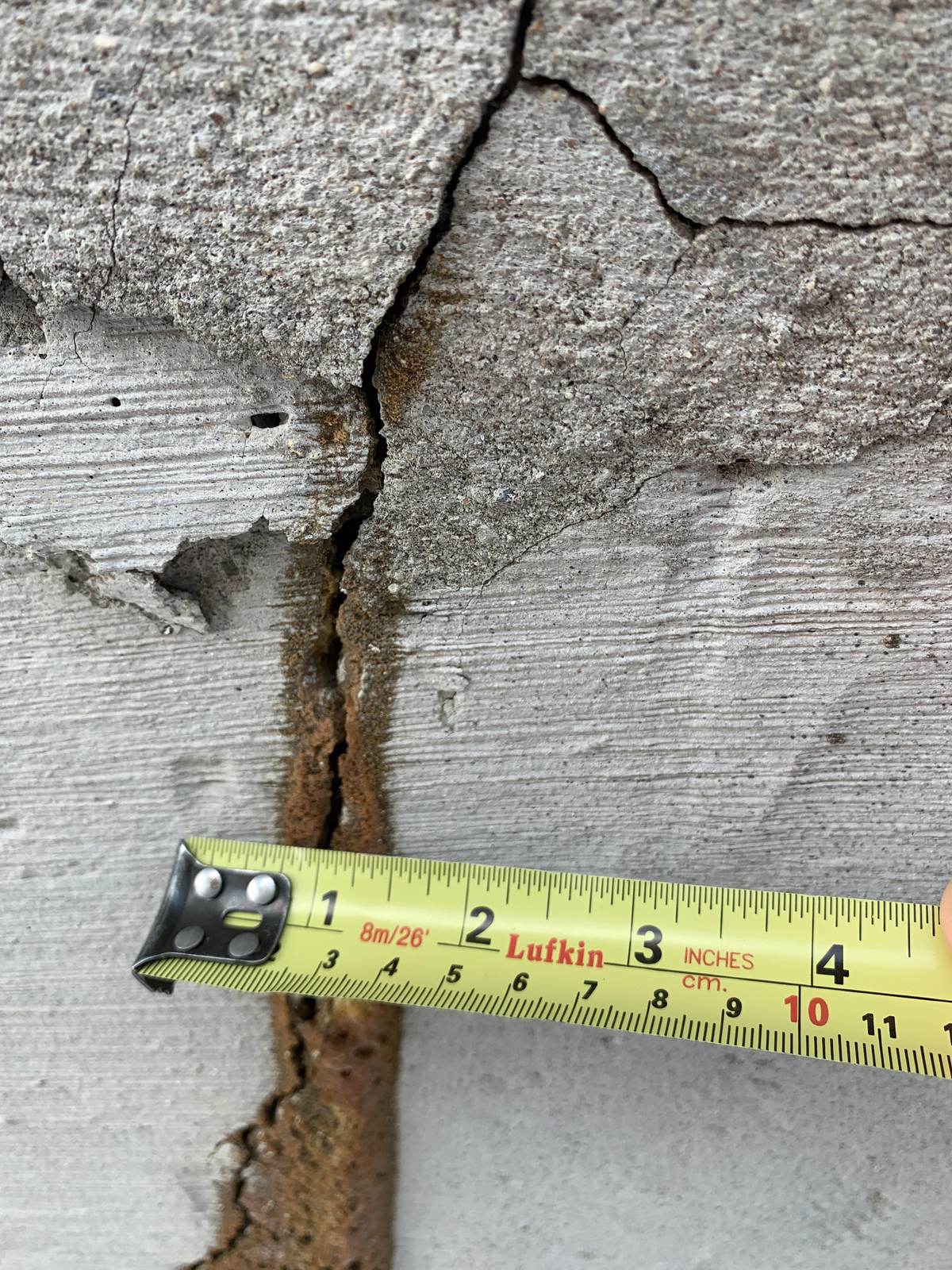
- Leaking foundation cracks
- Musty basement smell or white residue on concrete
- Standing water near a sump pit or around windows
How We Fix Recurring Seepage
Single leaks may only need foundation crack repair. Recurring groundwater or cove-joint seepage usually needs interior waterproofing with a sump system, while failed exterior coatings or weeping tile call for exterior waterproofing. If your pump runs constantly or cannot keep up, see sump pump installation in Grimsby.
Wet Basement FAQs — Grimsby
Common causes include foundation cracks, groundwater pressure, poor grading, clogged or damaged drainage systems, window wells and water entering where the basement wall meets the floor.
Yes. Interior drainage and waterproofing systems are commonly used when exterior excavation is impractical or when groundwater needs to be collected and directed to a sump system.
Sometimes — if groundwater is the main issue and there is a proper collection path. If water enters through cracks or walls above the footing, crack repair or waterproofing may also be needed.
Wet Basement in Grimsby?
Get a free inspection and find out what is actually causing the water — no pressure.